Wound Debridement in Children: What to Expect at Home
Your Child's Recovery
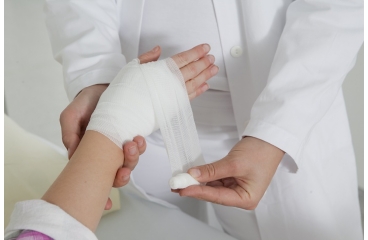
Your doctor removed dead or unhealthy tissue (debridement) from your
child's wound. How it was done depends on how severe the wound was.
Your child may have some pain and swelling around the wound. This
should get better within a few days. Your child may have a bandage
or a moist dressing over the wound. The doctor will let you know how
long to keep it on and how often to change it.
How long it will take for your child's wound to heal depends on how
serious the wound is and whether your child has any other health
problems that may slow healing. Your child may need to have the
wound debrided again.
This care sheet gives you a general idea about how long it will take
for your child to recover. But each child recovers at a different
pace. Follow the steps below to help your child get better as
quickly as possible.
How can you care for your child at home?

Activity
|
|
|
|
|
|
|
|
-
Encourage your child to change positions often to keep
pressure off the wound. Spread your child's body weight
evenly with cushions, mattresses, foam wedges, or other
pressure-relieving devices.
|
|
|
-
If the wound is on your child's leg or foot, your child
may have to use crutches, a supportive boot, or a fitted
shoe to keep pressure off the wound. If your child needs
crutches, it may help to use a backpack or wear clothes
with lots of pockets to carry things.
|
|
|
|
|
|
-
Do not let your child take a bath, swim, use a hot tub, or
soak the area until your doctor says it's okay.
|

Diet
|
|
-
Your child can eat a normal diet. If your child's stomach
is upset, try bland, low-fat foods like plain rice,
broiled chicken, toast, and yogurt.
|
|
|
-
Help your child eat a well-balanced diet with enough
protein to help the wound heal. Protein is a key nutrient
in helping to repair damaged tissue and promote new tissue
growth. Good sources of protein are milk, yogurt, cheese,
meat, and beans.
|

Medicines

Incision
care
Follow-up care is a key part of your child's treatment and
safety. Be sure to make and go to all appointments, and call your doctor
if your child is having problems. It's also a good idea to know your
child's test results and keep a list of the medicines your child
takes.
When should you call for help?
 Call your doctor now or seek immediate medical care
if:
Call your doctor now or seek immediate medical care
if:
Watch closely for any changes in your child's health, and be sure to
contact your doctor if:
Current as of: November 16, 2023
Content Version: 14.0
Care instructions adapted under license by your healthcare professional. If you have questions about a medical condition or this instruction, always ask your healthcare professional. Healthwise, Incorporated disclaims any warranty or liability for your use of this information.