Functional Ovarian Cysts in Teens: Care Instructions
Overview
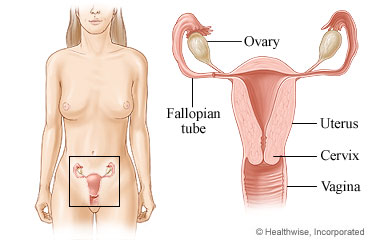
A functional ovarian cyst is a fluid-filled sac that forms on the ovary. A sac normally forms during
ovulation to hold a maturing egg. Usually the sac goes away after the egg is released. But if the egg is not
released, or if the sac closes up after the egg is released, the sac can swell up with fluid. This forms a
functional cyst.
These ovarian cysts are different than ovarian growths caused by other problems, such as cancer. Most
functional ovarian cysts cause no symptoms and go away on their own. Some cause mild pain. Others can cause
severe pain when they break or bleed.
Follow-up care is a key part of your treatment and safety. Be sure to make and go to all
appointments, and call your doctor if you are having problems. It's also a good idea to know your test results
and keep a list of the medicines you take.
How can you care for yourself at home?
-
Use heat, such as a hot water bottle, a heating pad set on low, or a warm bath, to relax tense muscles and
relieve cramping.
-
Be safe with medicines. Take pain medicines exactly as directed.
-
If the doctor gave you a prescription medicine for pain, take it as prescribed.
-
If you are not taking a prescription pain medicine, ask your doctor if you can take an
over-the-counter medicine.
-
Avoid constipation. Make sure you drink enough fluids and include fruits, vegetables, and fiber in your
diet each day. Constipation does not cause ovarian cysts, but it may make you feel more uncomfortable.
When should you call for help?
 Call your
doctor now or seek immediate medical care if:
Call your
doctor now or seek immediate medical care if:
Watch closely for changes in your health, and be sure to contact your doctor if:
Current as of: November 27, 2023
Content Version: 14.0
Care instructions adapted under license by your
healthcare professional. If you have questions about a medical condition or this instruction, always ask
your healthcare professional. Healthwise, Incorporated disclaims any warranty or liability for your use of
this information.