Liver Transplant in Children: What to Expect at Home
Your Child's Recovery
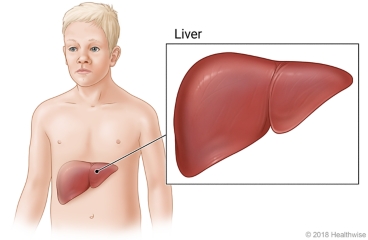
A liver transplant is surgery to give your child a healthy liver
from another person. Your child may have received a whole new liver
or just a section of a new liver.
Your child's belly and side will be sore for the first 1 to 2 weeks
after surgery. There may also be some numbness around the cut
(incision) the doctor made. It is common to feel tired while
healing. It may take 2 to 4 months for your child's energy to fully
return.
After the transplant, your child must take medicine to keep the body
from rejecting the new liver. These anti-rejection medicines have
side effects. One side effect is that the body may be less able to
fight infections. You can talk with the doctor about ways to lower
your child's chance of getting an infection.
You and your child will have to stay close to the hospital for about
a month. Your child will have frequent checkups during that time.
Your child's medicines may be changed as needed.
Having a child who is getting an organ transplant can bring up many
emotions. Seek out family, friends, and counselors for support. If
you think that you or your child is depressed, ask your doctor for
help. Treatment can help you and your child feel better.
This care sheet gives you a general idea about how long it will take
for your child to recover. But each child recovers at a different
pace. Follow the steps below to help your child get better as
quickly as possible.
How can you care for your child at home?

Activity

Diet
|
|
|
|
|
-
If your child's bowel movements are not regular after
going home, you can help your child avoid constipation and
straining. Have your child drink plenty of water. The
doctor may suggest fiber, a stool softener, or a mild
laxative.
|

Medicines

Incision
care
|
|
|
|
|
|
|
|
-
Gently wash the area daily with warm, soapy water, and pat
it dry. Don't use hydrogen peroxide or alcohol, which can
slow healing. You may cover the area with a gauze bandage
if it oozes or rubs against clothing.
|
|
|
|
|
|
|
Follow-up care is a key part of your child's treatment and
safety. Be sure to make and go to all appointments, and call your doctor
if your child is having problems. It's also a good idea to know your
child's test results and keep a list of the medicines your child
takes.
When should you call for help?
 Call 911 anytime you think your child may need
emergency care. For example, call if:
Call 911 anytime you think your child may need
emergency care. For example, call if:
Call your doctor now or seek immediate medical care if:
Watch closely for changes in your child's health, and be sure to
contact your doctor if you have questions.
Current as of: October 19, 2023
Content Version: 14.0
Care instructions adapted under license by your healthcare professional. If you have questions about a medical condition or this instruction, always ask your healthcare professional. Healthwise, Incorporated disclaims any warranty or liability for your use of this information.