Better Sleep for Teens: Care Instructions
Overview
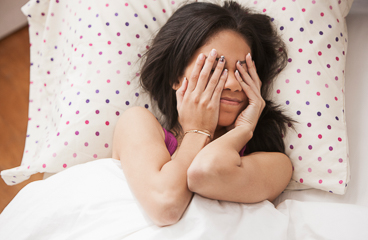
Sometimes you don't get enough sleep. Maybe you feel that you have too much to do and have to stay up late to
get it done. Or maybe you want to go to sleep, but you toss and turn because you're worried about a test or a
relationship.
But you need to sleep. It's important for your physical and emotional health. Sleep may help you stay healthy
by keeping your immune system strong. Getting enough sleep can help your mood and make you feel less stressed.
Follow-up care is a key part of your treatment and safety. Be sure to make and go to all
appointments, and call your doctor if you are having problems. It's also a good idea to know your test results
and keep a list of the medicines you take.
How can you care for yourself at home?
Food and drink
-
Limit caffeine (coffee, tea, caffeinated sodas) during the day, and don't have any for at least 6 hours
before bedtime.
-
Avoid heavy meals close to bedtime. But a light snack may help you sleep.
-
Don't go to bed thirsty. But avoid drinking so much that you have to get up often to urinate during the
night.
Healthy habits
-
Make sleep a priority. If you're always staying up late, look at your activities to see what you can cut
out. Make sleep a priority.
-
Go to bed at a regular bedtime every night. Wake up at the same time each day, including weekends, even if
you haven't slept well.
-
If you keep going to bed too late, try changing your bedtime a little at a time. Try to go to bed 15
minutes earlier each night until you find a bedtime schedule you like.
-
Get regular exercise.
-
Get plenty of sunlight in the outdoors, especially in the morning and late afternoon.
-
Set aside time for homework earlier in the day so you don't have to wait until the last minute to do it.
-
Do something relaxing before bedtime. Try deep breathing, yoga, meditation, tai chi, or muscle relaxation.
Take a warm bath. Play a quiet game, or read a book. Try not to use the computer or talk to or text friends
just before bedtime.
In bed
-
Use your bed only for sleep. Try not to use your TV, computer, smartphone, or tablet while you are in bed.
Some people do some easy reading in bed to help them fall asleep. If this doesn't work for you, don't read
in bed.
-
Reduce the noise in the house, or mask it with a steady low noise, such as a fan on slow speed or a radio
tuned to static. Use comfortable earplugs if you need them.
-
Keep the room cool and dark. If you can't darken the room, use a sleep mask.
-
Turn the clock so you can't see it, or put it in a drawer, if watching the clock makes you anxious about
sleep.
-
If your pillow isn't comfortable, see about getting another one.
-
Consider making your bed off-limits to pets. They may move around on the bed or hop on and off of it. This
may disturb your sleep.
Things to avoid
-
Avoid naps close to bedtime, and don't take long naps. Naps can help you. But if they're too long or too
close to bedtime, they can make it hard to sleep at night.
-
Avoid lying in bed awake for too long. If you can't fall asleep or if you wake up in the middle of the
night and can't get back to sleep within about 20 minutes, get out of bed and go to another room until you
feel sleepy.
When should you call for help?
 Watch closely
for changes in your health, and be sure to contact your doctor if you have any problems.
Watch closely
for changes in your health, and be sure to contact your doctor if you have any problems.
Current as of: July 10, 2023
Content Version: 14.0
Care instructions adapted under license by your
healthcare professional. If you have questions about a medical condition or this instruction, always ask
your healthcare professional. Healthwise, Incorporated disclaims any warranty or liability for your use of
this information.