Delayed Menstrual Periods: Care Instructions
Overview
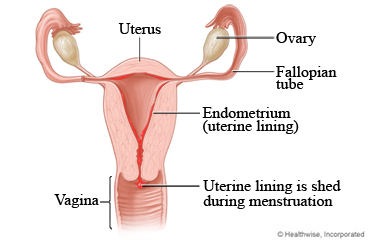
If you don't get your period every month as expected or don't get your first period by the time you are 15,
it is called amenorrhea.
Amenorrhea can happen for many reasons. Sometimes it's caused by a problem with the reproductive organs or
another medical problem. Other times it's caused by doing hard exercise for long periods of time. It can also
happen if you don't eat well or if you diet too much or have an eating disorder. Pregnancy and certain types
of birth control can also delay your periods.
Your doctor will want to find out why your period hasn't started. You may need to make some diet and exercise
changes. These may help start your period. Or you may need treatment for another problem.
Follow-up care is a key part of your treatment and safety. Be sure to make and go to all
appointments, and call your doctor if you are having problems. It's also a good idea to know your test results
and keep a list of the medicines you take.
How can you care for yourself at home?
-
Eat a healthy, balanced diet. Include fruits, vegetables, whole grains, proteins, and low-fat dairy
products.
-
Stay at a healthy weight. Ask your doctor what a healthy weight is for you.
-
Get regular exercise. But don't do hard, long exercise. Ask your doctor how much is too much.
When should you call for help?
 Watch closely
for changes in your health, and be sure to contact your doctor if:
Watch closely
for changes in your health, and be sure to contact your doctor if:
Current as of: November 27, 2023
Content Version: 14.0
Care instructions adapted under license by your
healthcare professional. If you have questions about a medical condition or this instruction, always ask
your healthcare professional. Healthwise, Incorporated disclaims any warranty or liability for your use of
this information.