Pelvic Inflammatory Disease in Teens: Care Instructions
Overview
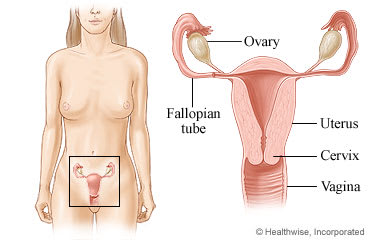
Pelvic inflammatory disease, or PID, is an infection of your uterus, ovaries, or fallopian tubes. PID can
cause scars in the fallopian tubes. This can lead to chronic pelvic pain. It can also make it hard for you to
get pregnant in the future.
PID can usually be treated with antibiotic pills. Any sex partners need to be treated too. It's important to
take all the medicine as prescribed. PID can cause serious health problems if you and your sex partner or
partners don't complete treatment.
PID is usually caused by a sexually transmitted infection (STI), such as gonorrhea or chlamydia. Having one
STI increases your risk for other STIs. Taking steps to prevent STIs can help you avoid getting PID again. For
example, using condoms when you have sex can reduce your risk.
Follow-up care is a key part of your treatment and safety. Be sure to make and go to all
appointments, and call your doctor if you are having problems. It's also a good idea to know your test results
and keep a list of the medicines you take.
How can you care for yourself at home?
-
Take your antibiotics as directed. Don't stop taking them just because you feel better. You need to take
the full course of antibiotics.
-
Rest until your symptoms have improved.
-
Be safe with medicines. Read and follow all instructions on the label.
-
If you're not taking a prescription pain medicine, ask your doctor if you can take an over-the-counter
medicine.
-
If the doctor gave you a prescription medicine for pain, take it as prescribed.
-
Store prescription pain medicines where no one else can get to them. When you are done using them,
dispose of them quickly and safely. Your local pharmacy or hospital may have a drop-off site.
-
Use a hot water bottle or a heating pad (set on low) on your belly for pain.
-
Talk to any sex partners you've had in the past 2 months. They need to be tested and treated for sexually
transmitted infections (STIs).
-
Don't have sex or use tampons (you can use pads instead) until you and any sex partners have completed
treatment, your pain is gone, and you feel completely well.
-
Don't douche.
-
Take steps to help prevent STIs.
-
Use a condom every time you have sex.
-
Talk to your partner before you have sex. Find out if they have or are at risk for any STI. Keep in
mind that people may be able to spread an STI even if they don't have symptoms.
-
Try to avoid having sex with anyone who has symptoms of an STI. These include sores on the genitals or
mouth.
-
Limit your sex partners. Sex with one partner who has sex only with you can reduce your risk of
getting an STI.
When should you call for help?
 Call 911
anytime you think you may need emergency care. For example, call if:
Call 911
anytime you think you may need emergency care. For example, call if:
Call your doctor now or seek immediate medical care if:
Watch closely for changes in your health, and be sure to contact your doctor if:
Current as of: November 27, 2023
Content Version: 14.0
Care instructions adapted under license by your
healthcare professional. If you have questions about a medical condition or this instruction, always ask
your healthcare professional. Healthwise, Incorporated disclaims any warranty or liability for your use of
this information.