Apnea in a Premature Baby: Care Instructions
Your Care Instructions
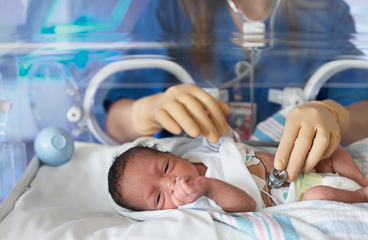
When a baby is born early, some body systems may need extra help for a while. A premature baby's nervous
system may not be mature enough to send all the right signals at the right time. These babies often have a
breathing problem called apnea. Apnea is a pause in breathing for 20 seconds or more. During the pause, there
is a drop in oxygen in the blood. When this happens, your baby's heart rate might also slow down
(bradycardia).
Babies with apnea may release a big breath and then have a period of no breathing or small breaths. Some
babies turn pale and blue during an apnea spell. Your baby may only have one spell a day or could have a few
spells an hour. Many babies stop having apnea spells when they reach their original due date. But if your baby
was born very early, apnea spells may continue for a while, even months.
Worrying about your baby's breathing is very stressful. It may help you to learn as much as you can about
your baby's condition and treatment.
Follow-up care is a key part of your child's treatment and safety. Be sure to make and go to all
appointments, and call your doctor if your child is having problems. It's also a good idea to know your
child's test results and keep a list of the medicines your child takes.
How can you care for your child at home?
-
Your baby's doctor and nurse will help you prepare your home. If your baby will need an apnea monitor or
other special equipment, you will get training for its use. The monitor's alarm goes off when your baby
stops breathing. If your baby still is not breathing after a few seconds, gently rub their legs, arms, and
back. Try changing your baby's position a little. This usually starts the breathing.
-
If your baby's doctor prescribed medicines for your baby, give them as directed. Call your doctor if your
baby has any problems with any medicines.
-
Wash your hands before holding your baby. Keep your baby away from crowds and people who are sick.
-
Do not smoke or expose your baby to smoke. Smoking increases the chance of sudden infant death syndrome
(SIDS), ear infections, asthma, colds, and pneumonia.
-
Put your baby to sleep on their back, not on the side or tummy. This reduces the risk of SIDS. Use a firm,
flat mattress. Do not put pillows in the crib. Do not use sleep positioners, head-shaping pillows, or crib
bumpers.
-
Too much light, touch, sound, or movement may upset your baby. Make your home calm and restful.
-
Swaddle your baby in a blanket. Keep the blanket loose around the hips and legs. If the legs are wrapped
tightly or straight, hip problems may develop. Hold your baby as much as possible.
-
Take your time during feedings, because your baby may need to pause now and then to breathe a few times.
-
Learn how to do CPR and rescue breathing. It is important to know this in case your baby stops breathing.
Talk to your doctor or take a class to learn how to do rescue breathing and CPR.
When should you call for help?
 Call 911
anytime you think your child may need emergency care. For example, call if:
Call 911
anytime you think your child may need emergency care. For example, call if:
Call your doctor now or seek immediate medical care if:
|
|
|
|
|
-
Your child is rarely awake and does not wake up for feedings, is very fussy, seems too tired to
eat, or is not interested in eating.
|
Watch closely for changes in your child's health, and be sure to contact your doctor if:
Current as of: July 10, 2023
Content Version: 14.0
Care instructions adapted under license by your
healthcare professional. If you have questions about a medical condition or this instruction, always ask
your healthcare professional. Healthwise, Incorporated disclaims any warranty or liability for your use of
this information.